
Nålbinding is one of the most ancient textile techniques known, it pre-dates historic times and it is found through centuries in many different places and cultures.
•
According to different sources, the oldest Nålbund item ever found, is a textile fragment made from plant fibers and human hair, that was recovered in a cave located in Nahal Hemar (Israel), dated from 6,500 BCE.
Many early archaeological finds were misidentified as knitting, especially because most of the textile fragments found in archaeological context is poorly preserved and stitches difficult to discern. In recent years museum conservators and textile historians have begun to re-examine and re-categorize these earlier finds.

LOCAL FORMS OF NÅLBINDING
Nålbinding has many cultural names: needle-binding, net-less knotting, naalbinding etc. Nålbinding is the Scandinavian term of this cræft.
There are, literally hundreds of different Nålbinding stitches & almost no written patterns. Stitch style and variation are dependant on region or individual cræfter
•
Mrs. Toini-Inkeri Kaukonen wrote an article in 1960. She categorized these stitches in three groups, which she called Finnish, Russian, and Turning Stitches. There are also stitch types that do not fit into Kaukonen’s classification.
HOW TO NÅLBUND
Nålbinding consists in the construction of fabric by creating knots using a single needle (ussually made out of bone or wood, relatively short and with a big eye) and longish lengths of yarn.
•
In Nålbinding a right-handed person holds the work in the left hand and the needle in the right hand.
•
To create the fabric you normally start by placing loops on your thumb (although some people prefers to work flat without using their thumb), the needle is then interlaced into the previous loops in a certain order, creating a series of knots.
•
By the nature of how a Nålbund fabric is created it does not unravel easily (you need to pull the yarn out of the loops, one loop at a time) &, therefore, it is very easy to cut it open. As a result Nålbinding is usually worked on the round and can be cut open to form flat pieces of textile.
For Nålbinding you don´t really need much materials:
A Nålbinding needle: as mentioned before, Nålbinding traditional needles are ussually made of wood, bone or horne. TRhey are relatevely long and broad & have a big eye.
Yarn: preferably 100% wool, as you need to “attach” each new length of yarn.
Soapy water: to “attach” the lenghts of yarn as you progress
Scissors: to help you cut the lenghts of yarn. You can also break the yarn by hand, but sometimnes it is quite strong and hard on your hands.
On the following videos I show the materials & some of the techniques I use!
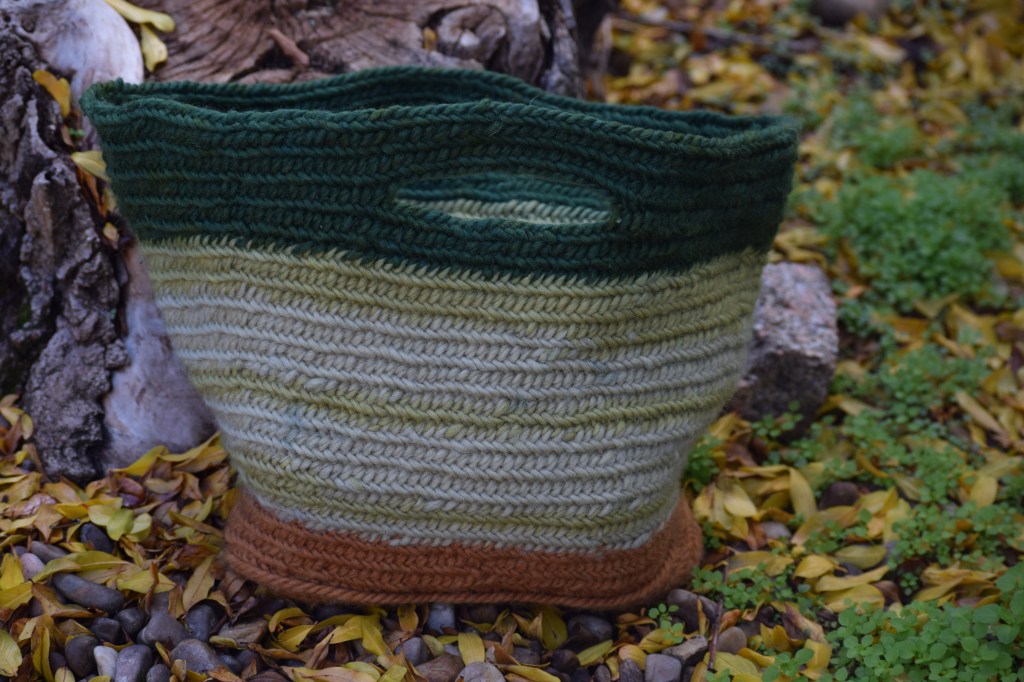
You can find much more information about this technique in:
 TeresaLaLana